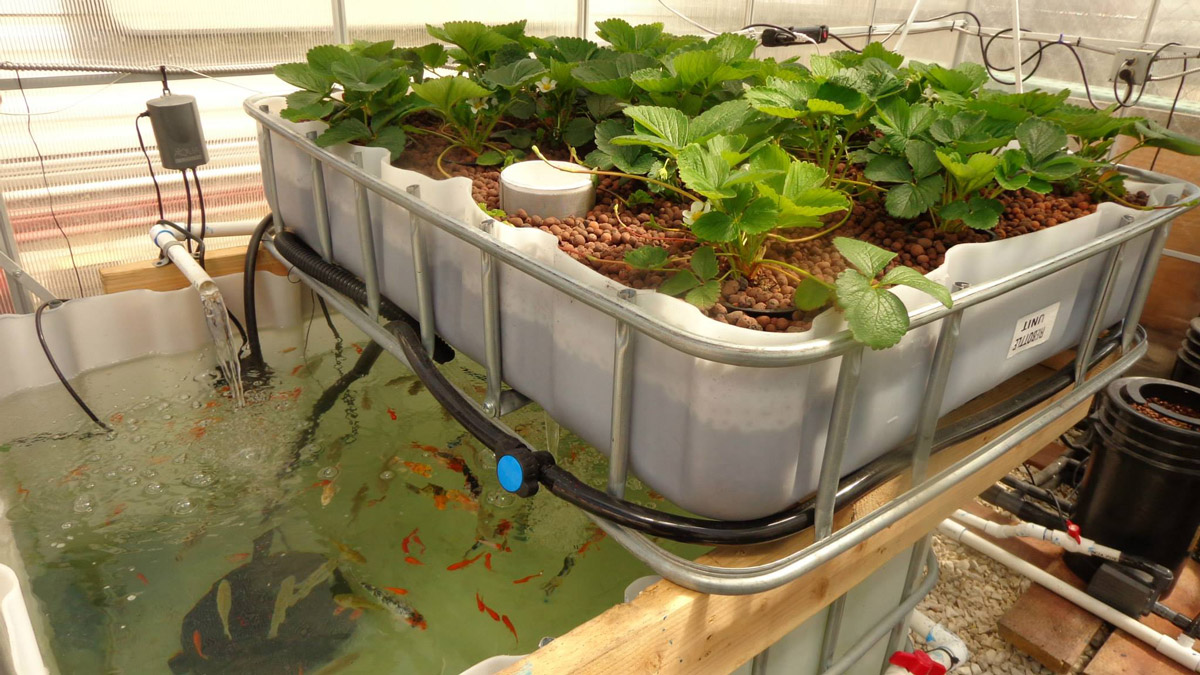
DIY Aquaponics: The Benefits of Building a Sustainable Garden System
Imagine a garden that practically grows itself, requiring minimal effort while yielding fresh, healthy produce. This isn't science fiction; it's the reality of aquaponics, a sustainable gardening system that marries aquaculture (raising fish) with hydroponics (growing plants without soil). Building your own DIY aquaponics system offers a rewarding experience, connecting you directly to your food source while promoting environmental consciousness. This article explores the myriad benefits of embarking on this exciting project.
The Symbiotic Relationship at the Heart of Aquaponics
Aquaponics thrives on a beautiful symbiotic relationship. Fish waste, rich in ammonia, provides essential nutrients for the plants. Beneficial bacteria, housed in a filtration system, convert this ammonia into nitrites and then nitrates, the forms of nitrogen plants can readily absorb. The plants, in turn, filter the water, removing excess nutrients and keeping the fish healthy. This closed-loop system minimizes waste and maximizes resource utilization, creating a truly sustainable ecosystem.
Advantages of a DIY Aquaponics System
Sustainable Food Production
Reduce your environmental footprint by growing your own food locally, minimizing transportation and packaging waste associated with commercially produced produce. Aquaponics drastically reduces the water usage compared to traditional agriculture, making it an ideal solution for water-conscious gardeners. You'll know exactly what goes into your food, avoiding pesticides, herbicides, and genetically modified organisms (GMOs).
Year-Round Growing Potential
Unlike traditional gardening, aquaponics allows for year-round cultivation regardless of weather conditions. By setting up your system indoors or in a climate-controlled environment, you can enjoy fresh herbs, vegetables, and even fruits throughout the year. This consistent food production provides a sense of security and self-sufficiency.
Space-Saving Design
Aquaponics systems can be adapted to fit various spaces, from small apartments to expansive backyards. Vertical systems maximize space utilization, making them perfect for urban environments or those with limited land. You can customize your system to fit your specific needs and available area.
Educational and Engaging Experience
Building and maintaining an aquaponics system offers a unique learning opportunity. You'll gain valuable knowledge in biology, chemistry, and engineering as you monitor the delicate balance within your ecosystem. This hands-on experience is particularly enriching for families, fostering a deeper understanding of nature and sustainable living. Watching your plants and fish thrive is incredibly rewarding!
Getting Started with Your DIY Aquaponics System
Constructing your own aquaponics system is more accessible than you might think. Begin by researching different system types, such as media bed, deep water culture (DWC), or nutrient film technique (NFT), to determine the best fit for your space and experience level. Consider these key elements:
- Choosing the right fish: Tilapia, goldfish, or koi are popular choices due to their hardiness and compatibility with aquaponic systems.
- Selecting appropriate plants: Leafy greens, herbs, and fruiting vegetables thrive in aquaponic environments. Start with easier-to-grow plants before venturing into more challenging varieties.
- Building your system: Numerous online resources and tutorials offer detailed instructions and diagrams. You can use readily available materials such as plastic containers, PVC pipes, and grow media like gravel or clay pebbles.
- Monitoring water parameters: Regularly test the water for pH levels, ammonia, nitrite, and nitrate to ensure a healthy environment for your fish and plants. This continuous monitoring is crucial for successful aquaponics.
Embarking on a DIY aquaponics journey offers a multitude of benefits, combining sustainable food production with a deeply enriching and educational experience. It's a project that fosters self-sufficiency, connects you to nature, and allows you to actively participate in building a more sustainable future.
