Unlocking Sustainable Gardening: The Allure of Small-Scale Aquaponics
Imagine a gardening system that requires significantly less water, minimizes waste, and produces both delicious vegetables and healthy fish. This isn't a futuristic fantasy; it's the reality offered by aquaponics, a sustainable and efficient method of food production gaining popularity among home gardeners and small-scale farmers alike. This article explores the myriad benefits of embracing aquaponics for a more sustainable and rewarding gardening experience.
Water Conservation: A Crucial Advantage
In a world facing increasing water scarcity, aquaponics stands out as a remarkably water-efficient solution. Unlike traditional soil-based gardening, which often relies on substantial water inputs that can lead to runoff and waste, aquaponics recycles water. Fish waste, rich in ammonia, provides the necessary nutrients for the plants. Beneficial bacteria convert the ammonia into nitrites and then nitrates, which plants readily absorb. This closed-loop system drastically reduces water consumption, saving you money and minimizing your environmental impact. You'll use a fraction of the water typically needed for a comparable vegetable garden, making it ideal for drier climates or regions with water restrictions.
Nutrient-Rich Growth & Bountiful Harvests
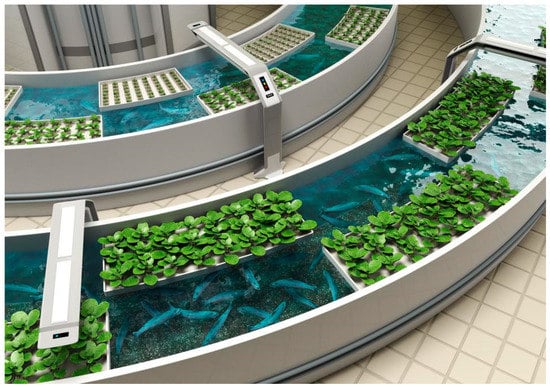
Aquaponic systems create a symbiotic relationship where fish and plants thrive together. The fish provide a continuous supply of natural fertilizer, resulting in healthier, more vibrant plants. This natural fertilization eliminates the need for synthetic fertilizers, further promoting sustainability and reducing the risk of harming beneficial soil microbes. You’ll witness faster growth rates and increased yields compared to traditional gardening methods, rewarding you with a greater abundance of fresh produce.
Enhanced Plant Health & Flavor
The naturally balanced nutrient solution in an aquaponic system promotes robust plant growth and superior flavor. Plants grown aquaponically often exhibit improved resistance to pests and diseases, reducing your need for pesticides. The rich nutrient content translates directly into tastier, more nutritious vegetables and herbs you’ll be proud to share.
Space-Saving Design: Ideal for Small Spaces
Aquaponics offers impressive flexibility, adaptable to a range of spaces, from small patios and balconies to larger backyards. Vertical systems can maximize space utilization, especially advantageous for urban gardeners with limited land. Whether you're working with a small footprint or a larger area, you can tailor your aquaponic setup to your available space, creating a thriving garden regardless of physical limitations.
Reduced Waste & Enhanced Sustainability
Minimizing waste is a core principle of aquaponics. Unlike conventional agriculture, which often produces substantial waste products, aquaponics repurposes fish waste and avoids the need for synthetic fertilizers and pesticides. This closed-loop system greatly reduces the environmental burden associated with traditional gardening. By reducing reliance on external inputs, you contribute to a more sustainable and environmentally friendly food production system.
A Holistic Approach: Combining Fish Farming & Gardening
Aquaponics provides a unique opportunity to combine fish farming with vegetable gardening. You’ll enjoy the rewards of both, harvesting fresh fish and vegetables from your own system. This diversification offers greater food security and resilience, reducing reliance on external food sources and strengthening your self-sufficiency.
A Rewarding Experience: Learn and Grow
Setting up and maintaining an aquaponic system offers a rewarding educational experience. You'll learn about the fascinating symbiotic relationship between fish and plants, developing valuable skills in sustainable food production. The process encourages observation, problem-solving, and a deeper appreciation for the interconnectedness of nature.
In conclusion, small-scale aquaponics offers a powerful pathway toward sustainable and rewarding gardening. It's a method that conserves water, promotes healthy plant growth, minimizes waste, and provides both fresh vegetables and fish. Embracing aquaponics is not merely a gardening choice; it's a commitment to a more sustainable and fulfilling lifestyle.
