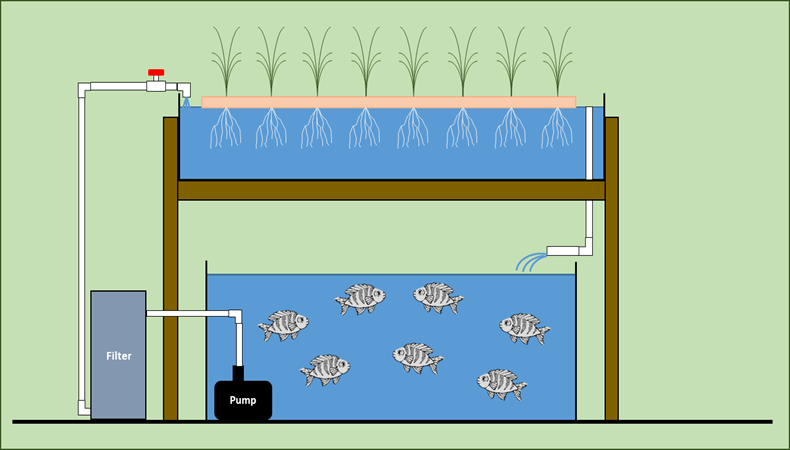
Building Your Own Compact and Efficient Aquaponic System
Dreaming of fresh, homegrown produce without the hassle of a sprawling garden? Aquaponics offers a compelling solution, blending aquaculture (raising fish) with hydroponics (growing plants without soil). This symbiotic relationship creates a remarkably efficient and compact food production system, perfect for apartments, balconies, or even small yards. This guide walks you through building your own compact and efficient aquaponic setup.
Choosing Your System Type
Several aquaponic system designs exist, each with its pros and cons. For a compact setup, consider these two popular choices:
Media Bed Systems
These systems utilize a grow bed filled with gravel or clay pebbles, providing a large surface area for beneficial bacteria to colonize. Water, enriched with fish waste, flows through the media bed, nourishing the plants. Media bed systems are generally more forgiving for beginners due to their higher tolerance for fluctuations in water parameters. They are also relatively simple to construct.
Deep Water Culture (DWC) Systems
DWC systems suspend plant roots directly in nutrient-rich water. This method maximizes nutrient uptake, leading to rapid plant growth. However, DWC systems require more precise monitoring of water quality and oxygen levels. While potentially more efficient in terms of space, they demand a greater understanding of aquaponic principles.
Essential Components: Gathering Your Supplies
Building your aquaponic system requires careful selection of components. Prioritize quality materials to ensure longevity and efficiency. Here’s a comprehensive list:
- Fish tank: Choose a food-grade container, preferably one made of durable, non-toxic material like food-grade plastic or glass. Size will depend on the number of fish you plan to raise.
- Grow bed: Select a container appropriate for your chosen system type (media bed or DWC). Ensure it's made from a non-toxic material and has sufficient drainage.
- Pump: A submersible pump is crucial for circulating water between the fish tank and grow bed. Choose a pump with a flow rate suitable for your system size.
- Air pump and air stone (optional but recommended): An air pump provides essential oxygen to the fish, preventing their deaths. An air stone diffuses the air for optimal oxygenation.
- Grow media (for media bed systems): Gravel, clay pebbles, or lava rock provide a surface area for beneficial bacteria.
- Plants: Select fast-growing, adaptable plants suited to aquaponics. Leafy greens like lettuce, basil, and spinach are excellent choices.
- Fish: Choose a hardy, compatible fish species. Tilapia, goldfish, or certain types of catfish are popular choices for beginners.
- Tubing and connectors: Use food-grade tubing and connectors to create a water circulation loop between the fish tank and grow bed.
- Water testing kit: Regular monitoring of water parameters (pH, ammonia, nitrite, nitrate) is essential for maintaining a healthy system.
System Setup and Maintenance
Once you’ve gathered your supplies, it’s time to assemble your system. Follow these steps:
- Assemble the framework: Connect the fish tank, grow bed, and pump using the tubing and connectors. Ensure a watertight seal to prevent leaks.
- Add grow media (if applicable): Fill the grow bed with your chosen media, ensuring it’s evenly distributed.
- Plant your seedlings: Carefully place your seedlings in the grow bed, ensuring their roots are well-hydrated.
- Add water and fish: Fill the fish tank with dechlorinated water. Introduce your fish gradually, allowing them to adjust to their new environment.
- Monitor and adjust: Regularly monitor your water parameters using your testing kit. Make adjustments to your system as needed to maintain optimal conditions for both fish and plants.
Regular maintenance is crucial for a thriving aquaponic system. This includes cleaning the system of debris, monitoring water levels, and occasionally replacing the grow media. Consistent monitoring and timely adjustments will ensure your aquaponic garden produces a bountiful harvest for years to come.
